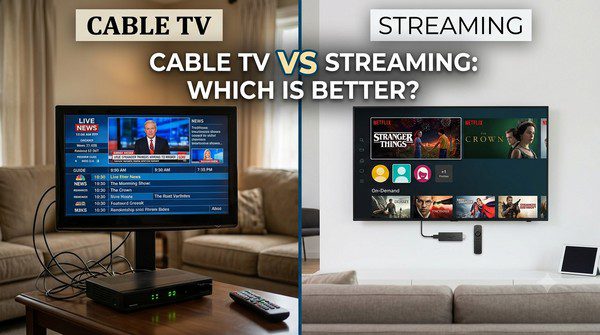
Cable TV vs Streaming: Which Is Better?
For decades, cable television was the standard way to watch movies, live sports, news, and entertainment. Today, however, streaming services have become the preferred choice for millions of households around the world. Faster internet connections, Smart TVs, and affordable streaming devices have made it easier than ever to watch what you want, when you want.
If you’re considering canceling your cable subscription—or simply wondering whether streaming is the better option—it’s important to understand how the two compare. While streaming offers flexibility and lower monthly costs for many people, cable TV still has advantages in certain situations.
This guide compares cable TV and streaming across pricing, channels, picture quality, convenience, equipment, and more to help you decide which option best fits your viewing habits.
What Is Cable TV?
Cable TV delivers television channels through a physical cable connection installed in your home. Subscribers usually pay a monthly fee to access channel packages that include news, sports, entertainment, children’s programming, and premium movie channels.
Most cable providers also offer internet and home phone services as part of bundled packages.
What Is Streaming?
Streaming delivers video over the internet instead of through a traditional cable connection. Viewers watch content using Smart TVs, streaming devices, smartphones, tablets, or computers.
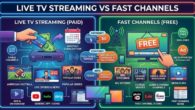
Streaming includes both on-demand services, where you choose what to watch at any time, and live TV services that broadcast channels over the internet.
Quick Comparison
| Feature | Cable TV | Streaming |
|---|---|---|
| Internet Required | No (for TV service) | Yes |
| Monthly Cost | Often higher | Usually lower |
| Long-Term Contracts | Sometimes required | Usually no contracts |
| Watch Anywhere | Limited | Yes |
| On-Demand Content | Limited | Extensive |
| Equipment Needed | Cable box | Streaming device or Smart TV |
Cost Comparison
One of the biggest reasons people switch to streaming is to reduce monthly expenses.
Cable TV packages often include many channels that viewers rarely watch. Additional fees for equipment, installation, DVR service, regional sports, or premium channels can increase the monthly bill.
Streaming services usually offer greater flexibility. You can subscribe only to the services you want and cancel or restart them whenever you choose.
However, subscribing to several streaming services at the same time can also become expensive, so it’s worth reviewing your subscriptions regularly.
Channel Selection
Cable TV typically offers hundreds of live channels in one package. This makes it convenient for viewers who enjoy browsing traditional television schedules.
Streaming services work differently. Some focus on movies and TV shows, while others specialize in live television, sports, or news.
Many households combine several streaming services to create a personalized entertainment package that better matches their interests.
Picture Quality
Both cable TV and streaming can provide excellent picture quality.
Streaming services often support HD, Full HD, 4K Ultra HD, and HDR on compatible devices. The quality depends largely on your internet connection.
Cable TV quality is generally stable because it doesn’t rely on your home internet connection for television service.
Convenience
Streaming offers significantly more flexibility than traditional cable.
- Watch on your Smart TV.
- Continue watching on your phone.
- Switch to your tablet while traveling.
- Resume on your laptop later.
Your viewing history, recommendations, and watchlists are usually synchronized across devices.
Cable television is generally designed for watching at home, although many providers now offer companion mobile apps.
Live Sports and News
Sports fans often compare cable and streaming carefully before making the switch.
Cable has traditionally been the easiest way to access regional sports networks and live events. Today, many live TV streaming services also carry sports and news channels, although channel availability varies by provider and location.
Before canceling cable, it’s a good idea to confirm that your favorite sports leagues or news channels are available through your chosen streaming service.
Equipment Requirements
Cable TV usually requires equipment supplied by your provider, such as a cable box.
Streaming generally requires:
- A Smart TV or streaming device.
- A reliable internet connection.
- The streaming apps you plan to use.
Many newer televisions already include the most popular streaming apps.
Flexibility
Streaming gives viewers much more control over what they pay for and when they subscribe.
For example, you might subscribe to a sports streaming service during a particular season and cancel it afterward. You can also rotate between movie services throughout the year instead of paying for all of them every month.
This flexibility is one of the main reasons cord-cutting has become so popular.
Advantages of Cable TV
- Large channel packages.
- Reliable live television.
- Simple setup.
- No internet needed for television service.
- Good option for viewers who watch many live channels.
Advantages of Streaming
- Usually lower monthly costs.
- No long-term contracts.
- Watch almost anywhere.
- Huge on-demand libraries.
- Supports multiple devices.
- Easy to start or cancel subscriptions.
Potential Drawbacks
Cable TV
- Higher monthly costs.
- Long-term contracts with some providers.
- Equipment rental fees.
- Limited flexibility.
Streaming
- Requires reliable internet.
- Multiple subscriptions can become expensive.
- Some live channels may not be available.
- Content libraries change over time.
Who Should Choose Cable TV?
Cable TV may still be the right choice if you:
- Prefer traditional channel surfing.
- Watch many live channels every day.
- Have unreliable internet service.
- Want a single provider for television and internet.
Who Should Choose Streaming?
Streaming is often the better choice if you:
- Want to reduce monthly entertainment costs.
- Enjoy watching movies and TV shows on demand.
- Prefer flexible subscriptions.
- Watch on multiple devices.
- Travel frequently.
- Want personalized recommendations.
Can You Use Both?
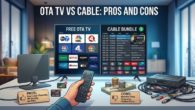
Absolutely. Many households combine cable TV with one or more streaming services. Others use free over-the-air television with streaming to reduce costs while still enjoying live local channels and a large selection of on-demand entertainment.
The best solution depends on your budget, internet connection, and the types of programs you watch most often.
Common Myths About Cable and Streaming
Myth: Streaming Is Always Cheaper
Not necessarily. While many people save money by switching to streaming, subscribing to numerous services at the same time can cost as much as a cable package.
Myth: Cable Has Better Picture Quality
Not always. Many streaming services offer excellent HD and 4K video quality when paired with a fast, stable internet connection.
Myth: You Can’t Watch Live TV Without Cable
False. Many streaming services provide live TV channels, and an over-the-air antenna can also deliver local broadcast channels in many areas.
Frequently Asked Questions
Is streaming replacing cable TV?
For many households, yes. Streaming has become the preferred way to watch entertainment because of its flexibility, on-demand content, and growing selection of live TV options.
Do I need a Smart TV to stream?
No. You can also stream using devices such as streaming sticks, streaming boxes, computers, smartphones, and tablets.
Can streaming completely replace cable?
In many cases, yes. However, viewers who rely heavily on specific live channels or regional sports networks should verify availability before canceling cable.
Does streaming require fast internet?
Yes. A stable broadband connection helps ensure smooth playback, especially when watching HD or 4K content.
Can I switch back to cable later?
Yes. Many people try streaming for several months before deciding whether it fully meets their entertainment needs.
Choosing between cable TV and streaming comes down to your viewing habits, budget, and personal preferences. If you enjoy maximum flexibility, on-demand entertainment, and the ability to watch on multiple devices, streaming is likely the better option. If you depend on a large lineup of live channels or have limited internet access, cable TV may still offer advantages.
Many households find that a combination of streaming services, free broadcast television, and a reliable internet connection provides the best balance between cost, convenience, and content. Before making the switch, take a look at the channels you watch most often and compare them with the streaming options available in your area.