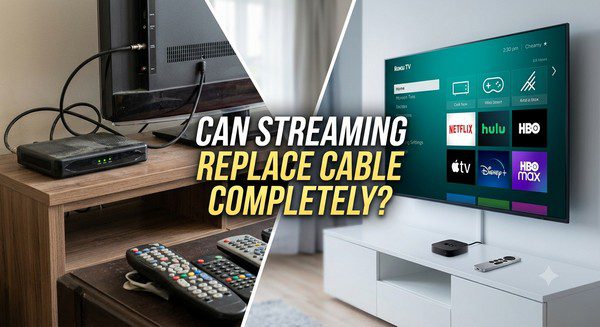
Can Streaming Replace Cable TV Completely?
Over the past decade, millions of households have canceled their cable subscriptions and switched to streaming services. This trend, often called cord-cutting, has changed the way people watch television. Instead of paying for large channel packages, viewers can choose from a wide variety of streaming services that offer movies, TV shows, live channels, sports, and news over the internet.
But can streaming completely replace cable TV? For many people, the answer is yes. However, the best choice depends on your viewing habits, internet connection, budget, and the type of content you watch most often.
In this guide, we’ll look at what streaming can do, where cable TV still has advantages, and how to decide if you’re ready to make the switch.
What Does It Mean to Replace Cable?
Replacing cable means canceling your traditional cable television subscription and using internet-based streaming services instead.
Rather than receiving television channels through a cable box, you watch content using a Smart TV, streaming device, smartphone, tablet, or computer connected to the internet.
Depending on your needs, you may use one streaming service or combine several services with free over-the-air television.
Why Are People Leaving Cable?
There are several reasons why streaming has become so popular.
- Lower monthly costs for many households.
- No long-term contracts on most services.
- Access to large on-demand libraries.
- Watch on multiple devices.
- Flexible subscriptions that can be canceled anytime.
- Personalized recommendations and user profiles.
For many viewers, streaming offers more freedom and greater control over what they pay for.
What Can Streaming Replace?
Modern streaming services cover nearly every type of television content.
- Movies.
- TV series.
- Live news.
- Sports.
- Kids’ programming.
- Documentaries.
- Reality shows.
- Entertainment channels.
Many live TV streaming services even include cloud DVR features, allowing you to record programs without traditional cable equipment.
Where Cable Still Has Advantages
Although streaming continues to grow, cable television may still be a better option for some viewers.
Cable can offer:
- Reliable access to regional channels.
- Large channel packages in one subscription.
- No dependence on internet speed for television service.
- Simple setup for viewers who prefer traditional TV.
If your internet connection is unreliable or you watch many regional sports networks, cable may still provide a smoother experience.
Do You Need Fast Internet?
Unlike cable television, streaming depends on your internet connection.
For the best experience, you’ll need reliable broadband capable of supporting the video quality you want to watch. HD streaming generally requires less bandwidth than 4K streaming, and households with several people watching at the same time will benefit from faster internet speeds.
A stable Wi-Fi network or wired Ethernet connection can also help reduce buffering.
Can You Watch Live TV Without Cable?
Yes. Today, many streaming services offer live television channels covering news, sports, entertainment, and lifestyle programming.
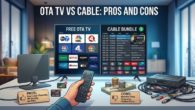
You can also receive local broadcast channels in many areas using a TV antenna, giving you access to local news and major broadcast networks without a monthly television subscription.
What About Sports?
Sports are often one of the biggest concerns for people considering cord-cutting.
Many streaming services carry national sports channels and major sporting events. However, availability varies depending on your country, region, and the leagues you follow.
Before canceling cable, it’s worth checking whether your favorite teams and competitions are available through your preferred streaming service.
Can Streaming Save Money?
For many households, yes.
Instead of paying for a large cable package with hundreds of channels, streaming allows you to subscribe only to the services you actually watch.
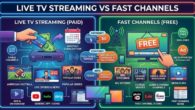
Some viewers also combine free ad-supported streaming services with one or two paid subscriptions, reducing entertainment costs even further.
However, subscribing to many streaming services simultaneously can increase your monthly expenses, so reviewing your subscriptions regularly is a good habit.
Equipment You’ll Need
Getting started with streaming is usually straightforward.
Most households need:
- A reliable internet connection.
- A Smart TV or streaming device.
- Streaming apps or subscriptions.
- A home Wi-Fi network.
Many modern Smart TVs already include the most popular streaming apps, so no additional hardware may be necessary.
Who Should Switch to Streaming?
Streaming is an excellent choice for people who:
- Watch movies and TV shows on demand.
- Want more flexibility.
- Prefer monthly subscriptions without contracts.
- Use multiple devices.
- Travel frequently.
- Want personalized recommendations.
Who May Prefer Cable?
Cable television may still be the better choice if you:
- Have limited or unreliable internet.
- Watch numerous regional sports channels.
- Prefer traditional channel surfing.
- Want a single provider for television and internet services.
A Hybrid Approach
Many households don’t choose one or the other—they combine different options.
For example, you might use:
- A TV antenna for local channels.
- One live TV streaming service.
- One or two on-demand streaming platforms.
- Free ad-supported streaming apps.
This combination often provides a wide variety of entertainment while keeping monthly costs under control.
Common Myths About Replacing Cable
Myth: Streaming Always Costs Less
Not necessarily. While many people save money, subscribing to numerous streaming services at the same time can become expensive.
Myth: You Can’t Watch Live Television Without Cable
False. Live TV streaming services and over-the-air antennas provide many live channels without requiring a cable subscription.
Myth: Streaming Is Complicated
False. Most Smart TVs and streaming devices have easy-to-use interfaces, making streaming simple even for beginners.
Frequently Asked Questions
Can streaming completely replace cable TV?
For many households, yes. Modern streaming services offer movies, TV shows, live channels, sports, and news, making cable unnecessary for many viewers.
Do I need a Smart TV?
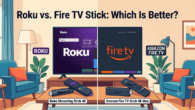
No. You can also stream using streaming sticks, streaming boxes, smartphones, tablets, laptops, or desktop computers.
Can I keep my internet without cable TV?
Yes. Many internet providers allow customers to subscribe to broadband service without purchasing a cable TV package.
Will I lose local channels?
Not necessarily. Local channels may be available through live TV streaming services or a TV antenna, depending on where you live.
Is streaming a good choice for families?
Yes. Most streaming platforms offer multiple user profiles, parental controls, and a wide selection of family-friendly programming.
Streaming has matured into a complete entertainment solution for millions of people around the world. With access to on-demand movies, live television, sports, children’s programming, and free ad-supported services, many households can comfortably replace traditional cable without sacrificing the content they enjoy.
Before canceling your cable subscription, take some time to compare your current viewing habits with the streaming services available in your region. Choosing the right combination of live TV, on-demand platforms, and free streaming services can help you create an entertainment setup that fits both your lifestyle and your budget.